


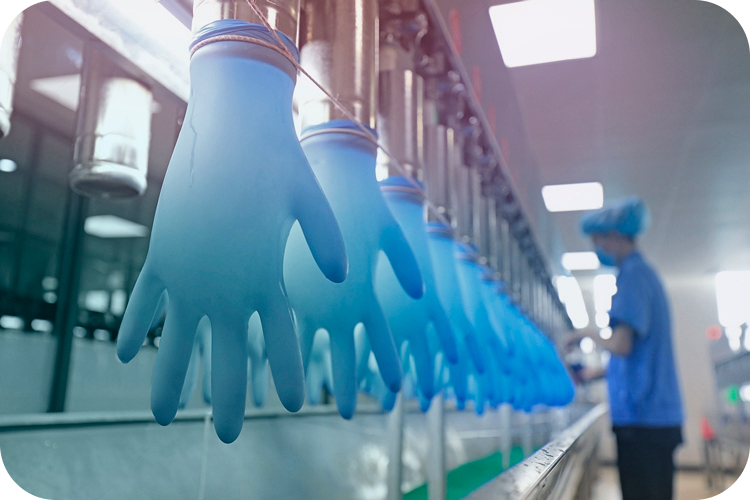
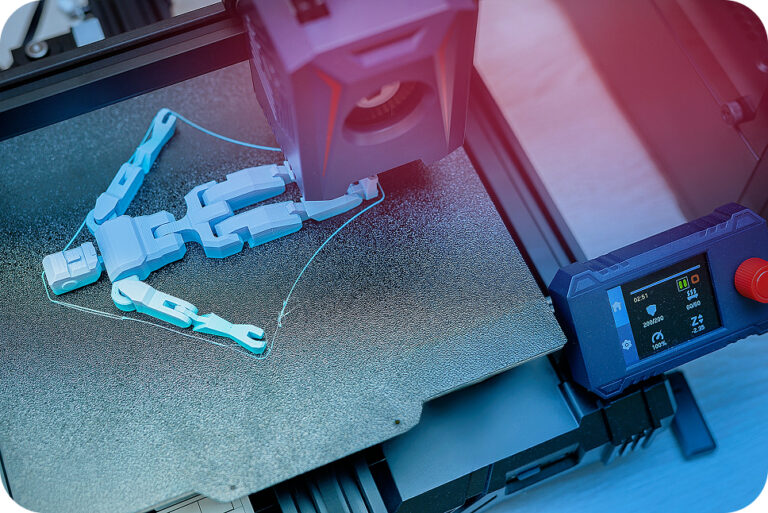
 Applications
One technology. Multiple materials.
REPLO® is a science-backed organic drop-in additive technology designed for compatible plastics and synthetic textiles. Its broad material compatibility includes PET, HDPE, LDPE, PP, PS, PVC, PU and spandex/elastane blends, supporting more responsible end-of-life outcomes across multiple applications.
Designed to integrate into primary resins
REPLO® organic additive technology is designed to integrate into primary resin categories without altering strength, shelf life, or processing.
PET & Polyester
Typical Uses: Water bottles, food packaging, polyester textiles, thermoformed trays. Compatible With: PET, RPET, APET, PETG, PCTG, Tritan®, polyurethane blends.
HDPE
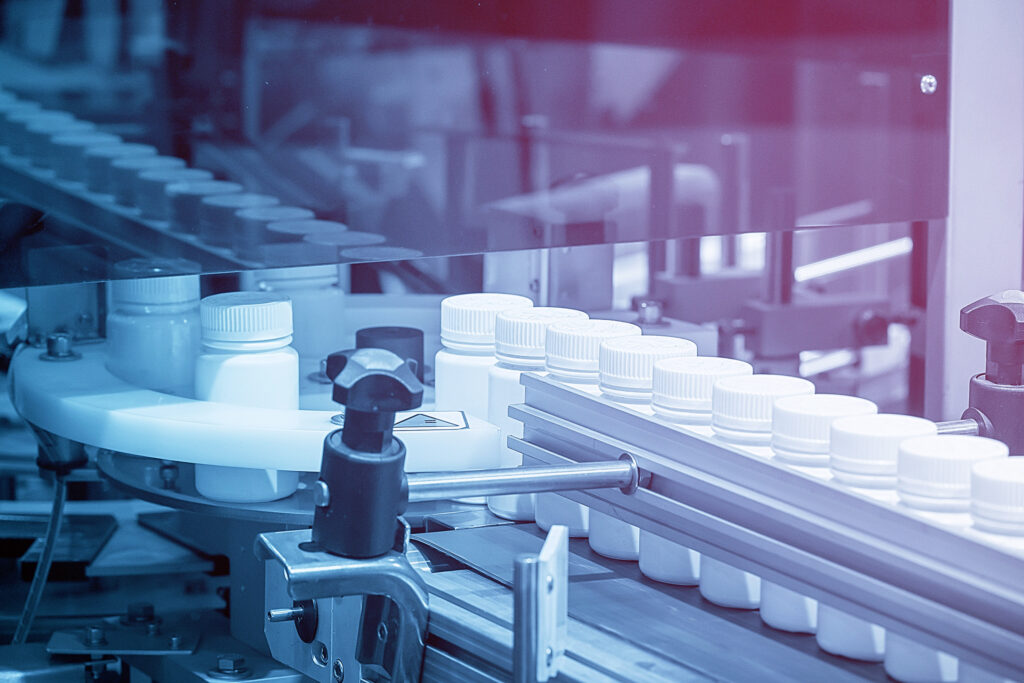
Typical Uses: Milk bottles, detergent containers, caps, closures, rigid packaging. Compatible With: HDPE and rigid polyethylene applications.

LDPE & Flexible Polyethylene
Typical Uses: Carrier bags, stretch films, shrink wrap, squeezable bottles, flexible packaging.
Compatible With: LDPE, LLDPE film, flexible PE structures.

PP & Polyolefins
Typical Uses: Food containers, woven bags, automotive parts, reusable products and toys.
Compatible With: Polypropylene (PP), BOPP, TPE, EPDM and related polyolefins.

PVC & EVA
Typical Uses: Pipes, flooring, medical films, footwear, foam products, cables. Compatible With: PVC, EVA and flexible vinyl applications.
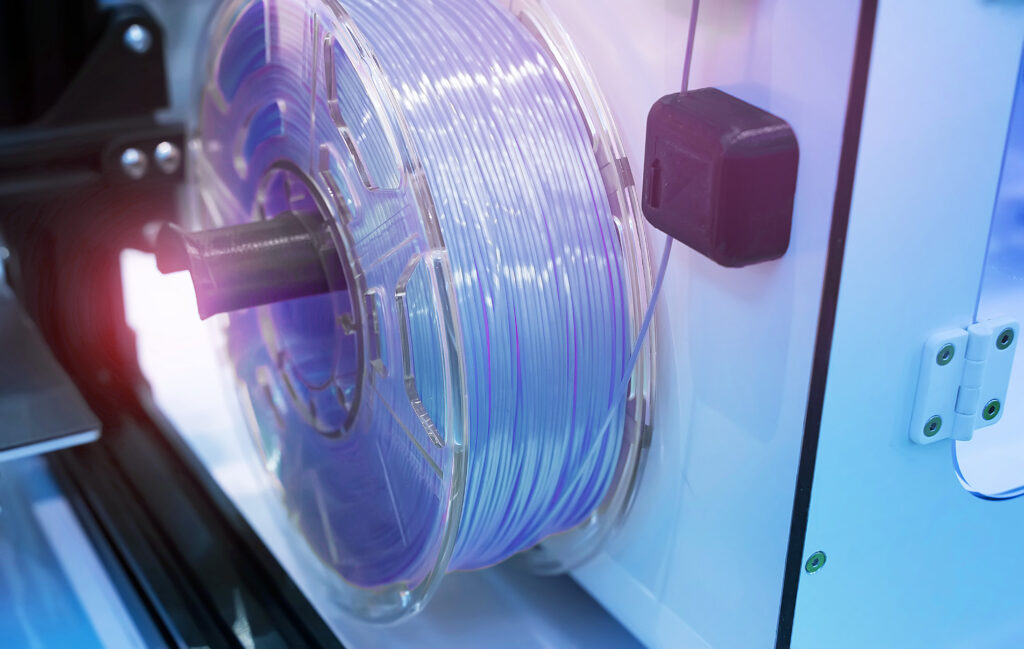
Styrenics, Engineering Plastics & Filaments
Typical Uses: Toys, 3D printing filaments, electronics, eyewear and consumer products.
Compatible With: PS, ABS, SAN, polycarbonate (PC), nylon, PETG and engineering polymers.
Seamlessly integrates into multi-polymers including spandex
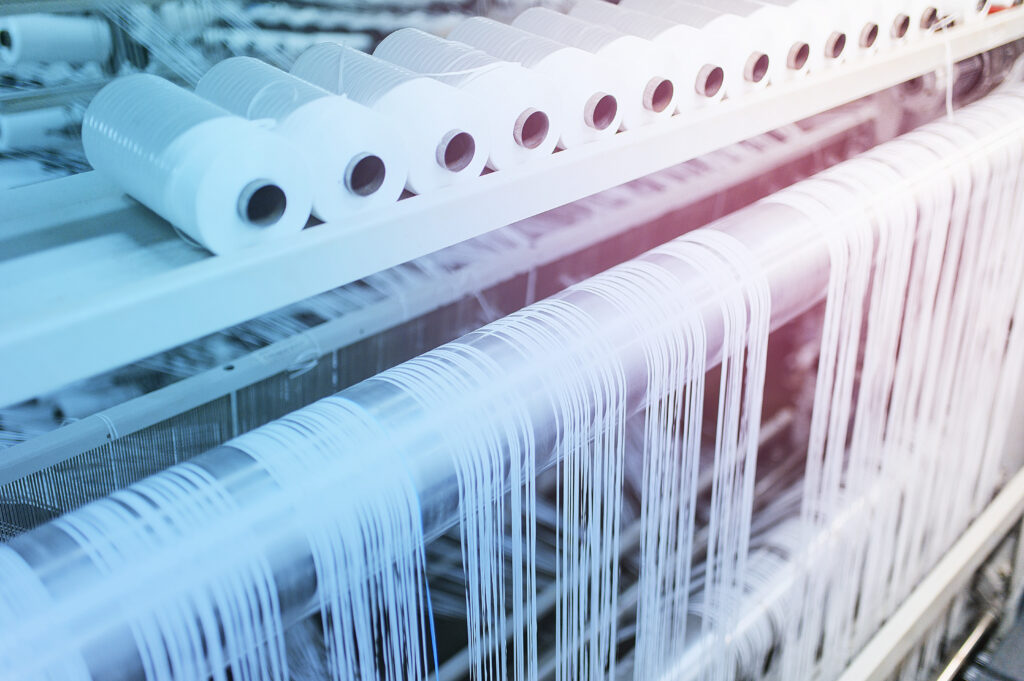
REPLO® is formulated for polyester-based textiles such as PET fibres and polyester–spandex blends used in apparel, carpets, upholstery, hygiene, and baby products. A low-dose, drop-in organic additive, REPLO® integrates at scale without retooling while preserving strength, durability, shelf life, process-ability, and recyclability.
Engineered for impact across plastics
REPLO® is validated for use in conventional plastics, including LDPE, HDPE, PP, and PET. Added at the masterbatch stage, it integrates seamlessly into extrusion, blow molding, injection molding, and film production, no retooling required.

Science at the molecular level
REPLO® is designed to support the interaction between compatible polymer materials and natural microbial processes under defined end-of-life conditions, helping materials transition from centuries toward years while maintaining product performance, shelf life and recyclability.

Maintaining performance, improving end-of-life
As Sustainability’s Fourth R®, REPLO® preserves plastic performance throughout its intended lifecycle.
Science at the molecular level
REPLO® is designed to support the interaction between compatible polymer materials and natural microbial processes under defined end-of-life conditions, helping materials transition from centuries toward years while maintaining product performance, shelf life and recyclability.
Maintaining performance, improving end-of-life
As Sustainability’s Fourth R®, REPLO® preserves plastic performance throughout its intended lifecycle.
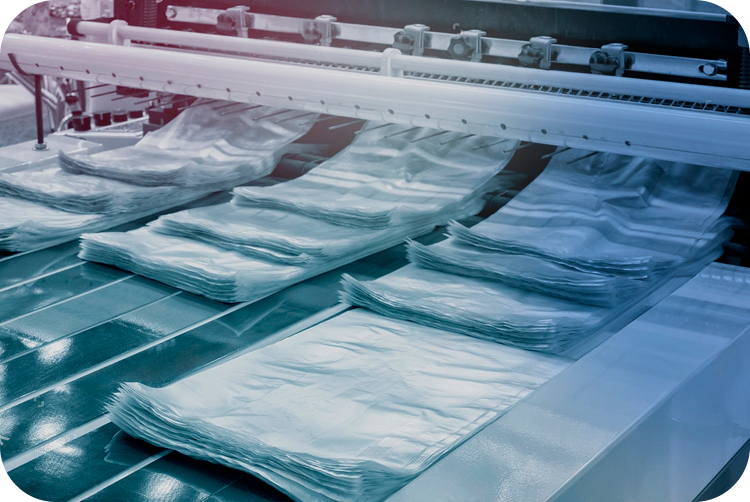
Textile performance meets sustainability
REPLO® is validated for synthetic fibres, including polyester (PET), nylon, acrylic, and polyester–spandex blends. It integrates during melt or fiber extrusion into standard filament and yarn production, no process changes required.

Supporting natural processes
REPLO® is designed to support the interaction of compatible materials with natural microbial processes under defined landfill, marine, wastewater and industrial compost test conditions, helping address long-term material persistence.
Independently tested. Evidence-led.
REPLO® is supported by independent testing using recognised ASTM test methods and relevant ISO protocols, providing substrate-specific evidence under defined test conditions and supporting its centuries toward years material transition proposition.
Supporting natural processes
REPLO® is designed to support the interaction of compatible materials with natural microbial processes under defined landfill, marine, wastewater and industrial compost test conditions, helping address long-term material persistence.
Independently tested. Evidence-led.
REPLO® is supported by independent testing using recognised ASTM test methods and relevant ISO protocols, providing substrate-specific evidence under defined test conditions and supporting its centuries toward years material transition proposition.
Curious about REPLO®?
Curious about REPLO®? Find answers to common questions about how our organic additive technology works and helps reduce microplastics without compromising performance.
Yes. REPLO® integrates into multi-layer plastics, coextrusions, laminates, and reinforced fibers. Testing and formulation guidance is provided for specific use cases to ensure accelerated biodegradation without impacting functional performance.
REPLO® is designed for low-lift integration. Standard QA/QC procedures for polymer compounding and fiber spinning suffice; no additional monitoring of additive concentration or thermal stability is required.
REPLO® provides:
- Formulation guidance per polymer/fiber system
- Biodegradation testing data
- Regulatory compliance documentation
- Integration protocols for global manufacturing operations